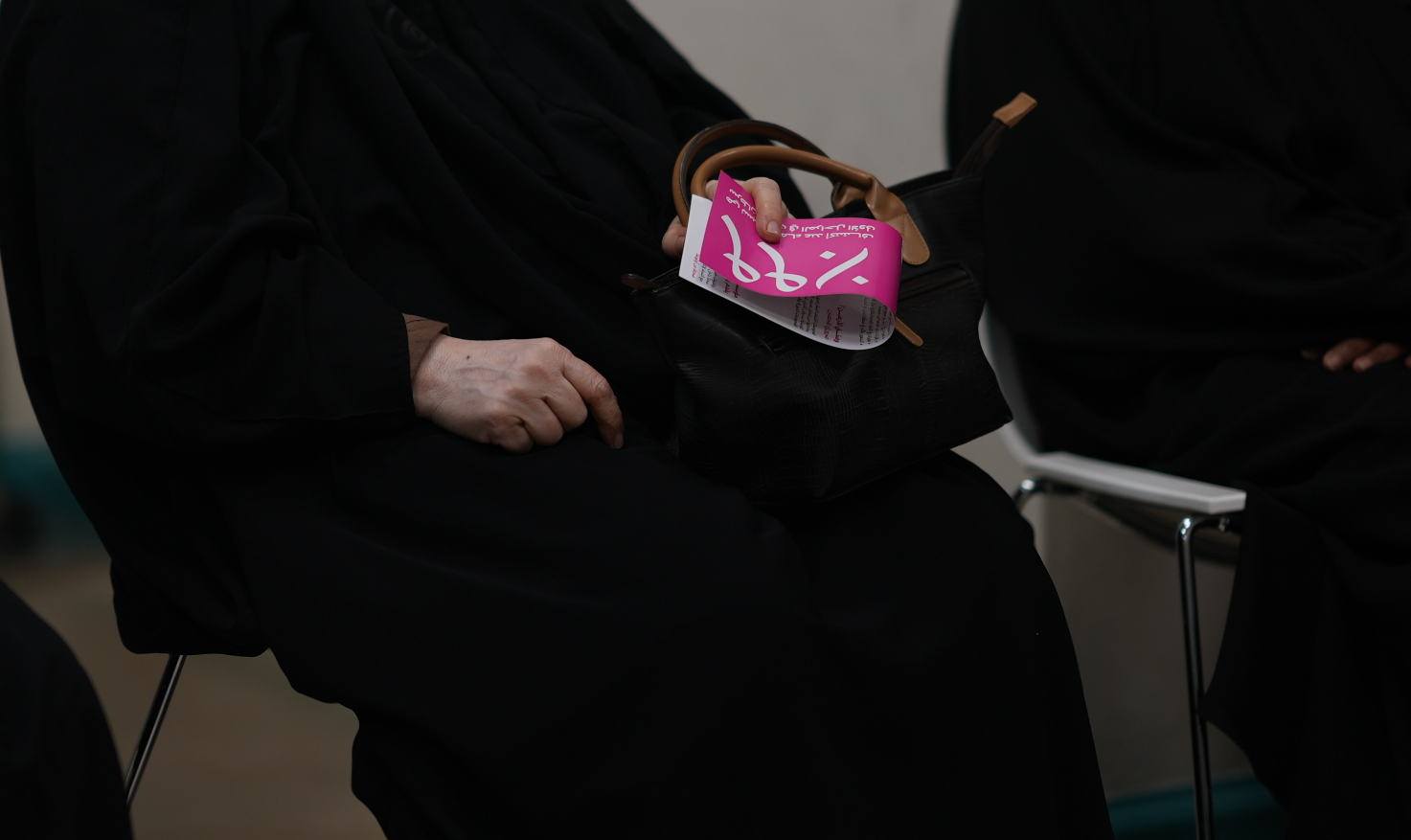

"Rouh w Riya" Campaign for the Early Detection of Lung Diseases
 Campaigns
Warith officially announces its largest project of the year: the launch of the "Iraq Healthy Lung Project." It is one of the projects of the One Million Free Early Screenings campaign and includes several sub-initiatives aimed at carrying out at least one million screenings.
This major project includes several initiatives, among them the "Rouh w Riya" initiative, which provides free early screening for lung diseases through the Early Detection Clinic every day of the week except Friday at Warith. This campaign is the result of a collaboration between Warith International and consultants from the University of Liverpool in the UK.
Respiratory and lung diseases are the most common reason for visiting a doctor among the most common fatal diseases worldwide. Moreover, they can become chronic and require long-term treatment, as they damage the lungs and cause fatigue and shortness of breath. Early screening is the use of tests or examinations to detect disease in people who have no symptoms.
Screening people at higher risk of lung cancer:
People who should be screened for lung disease are those with specific symptoms such as a chronic cough with phlegm or blood, fatigue not explained by heart problems, and chest pain that worsens with breathing. Early screening also covers people at risk of lung disease, such as smokers and those exposed to environmental pollutants in factories and mines.
Benefits of early screening for lung disease:
● When lung cancer is detected at an early stage, while it is small and before it has spread, it is more likely to be treated successfully. Lung cancer screening is recommended for some people who smoke or used to smoke but have no signs or symptoms.
● Lung cancer usually does not cause symptoms until the disease is quite advanced. Even when lung cancer does cause symptoms, many people may mistake them for other problems, such as an infection or the long-term effects of smoking.
● With the latest advanced technology, lung cancer screening can be performed using low-dose computed tomography (CT). It may detect findings that turn out not to be cancer but still need further tests to determine what they are.